
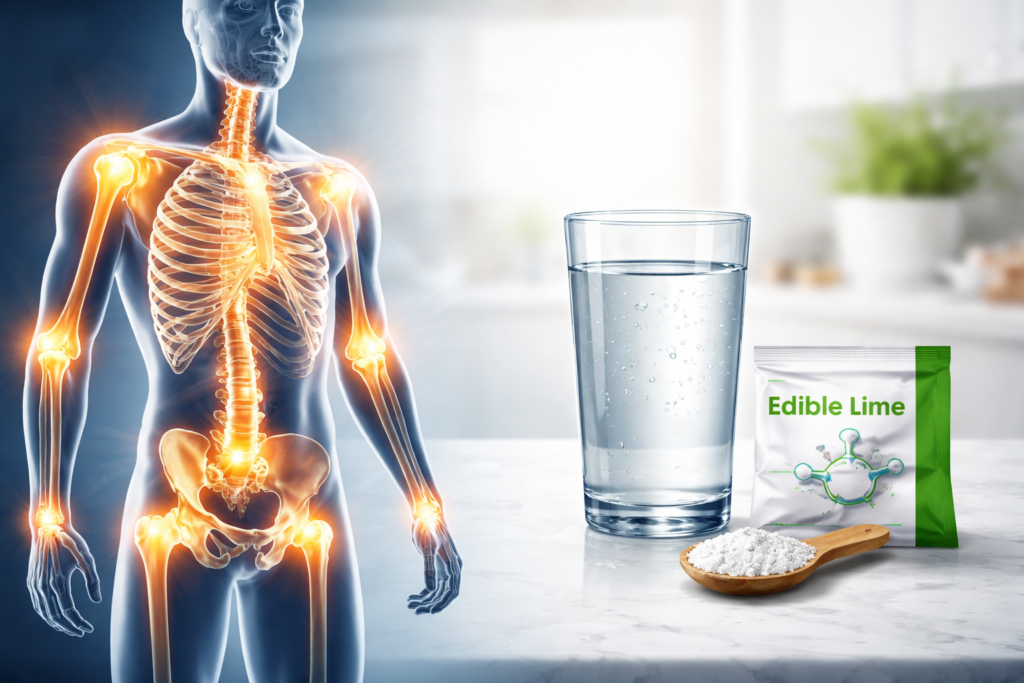
Using Slaked Lime for Calcium Deficiency: A Complete Guide
calcium, chuna, bone health, arthritis relief, natural supplements, calcium hydroxide, ayurvedic remedies, muscle cramps, dental health, vitamin d3, organic calcium
Slaked Lime (known as Chuna in South Asia or Cal in Latin America) is a highly concentrated and bioavailable source of calcium. Here is how it works and how to use it safely.
1. What is Slaked Lime?
The “lime” used for consumption is Calcium Hydroxide ($Ca(OH)_2$). It is typically the same paste used in traditional betel leaf preparations or for the “nixtamalization” of corn.
Warning: Never use “Quicklime” (Calcium Oxide) or industrial lime used for construction and white-washing. Only use food-grade or “edible” slaked lime.
2. Why Choose Lime for Calcium?
While dairy and leafy greens are primary sources, slaked lime is often used because:
- Cost-Effective: It is perhaps the cheapest source of calcium available.
- High Absorption: When diluted correctly, it is easily processed by the digestive system.
- Versatility: It can be mixed into various liquids and foods without significantly altering the taste.
3. The Golden Rule: Dosage and Administration
Because slaked lime is highly alkaline (caustic), it can burn the lining of the mouth, throat, and stomach if taken in high concentrations.
The Safe Dosage
The standard recommended dose for an adult is one grain of wheat (approx. 0.5 grams) per day.
How to Consume It Safely:
- With Yogurt or Buttermilk: This is the best method. Stir a wheat-grain-sized portion of lime into a bowl of yogurt. The acidity of the yogurt helps neutralize the alkalinity of the lime, making it gentler on the stomach.
- With Pulses/Lentils (Dal): Mix it into a hot bowl of soup or dal. Ensure it is stirred thoroughly so no clumps remain.
- With Water: Dissolve the tiny portion in a large glass of water. Let it sit for a minute, stir again, and drink.
- With Fruit Juice: Orange juice or pomegranate juice are excellent carriers as the Vitamin C aids in mineral absorption.
4. Key Health Benefits
- Bone Density: Helps in repairing micro-cracks in bones and preventing osteoporosis.
- Children’s Growth: Supports skeletal development and height during puberty (consult a pediatrician first).
- Pregnancy Support: Helps meet the high calcium demand for fetal skeletal development (must be done under medical supervision).
- Joint Pain: Regular, small doses can alleviate chronic back and knee pain caused by mineral depletion.
5. Critical Precautions and Side Effects
You must read these before starting any lime-based regimen:
1. The Kidney Stone Risk
If you have ever had Kidney Stones (specifically Calcium Oxalate stones), you must avoid taking lime. Adding extra calcium carbonate to a stone-prone system can trigger the formation of new stones.
2. Never Consume Raw
Never place the paste directly on your tongue. It will cause immediate chemical burns. Always dilute it in at least 200ml of liquid or a bowl of food.
3. Vitamin D3 Connection
Calcium cannot be absorbed by the bones without Vitamin D3. If you are Vitamin D deficient, the calcium you take from lime will simply circulate in your blood or be excreted, potentially causing “calcification” of your arteries instead of strengthening your bones.
6. Modern Alternatives
If you find the idea of consuming lime intimidating, consider these natural, high-calcium foods:
- Sesame Seeds (Til): 1 tablespoon of unhulled sesame seeds contains almost as much calcium as a glass of milk.
- Finger Millet (Ragi): A grain with exceptionally high calcium content.
- Chia Seeds: High in both calcium and Omega-3.
Conclusion
Slaked lime is a powerful traditional supplement that can effectively bridge the calcium gap if used with extreme discipline regarding the wheat-grain dosage. However, it is not a “magic cure” and works best when paired with a balanced diet and adequate sun exposure for Vitamin D.